
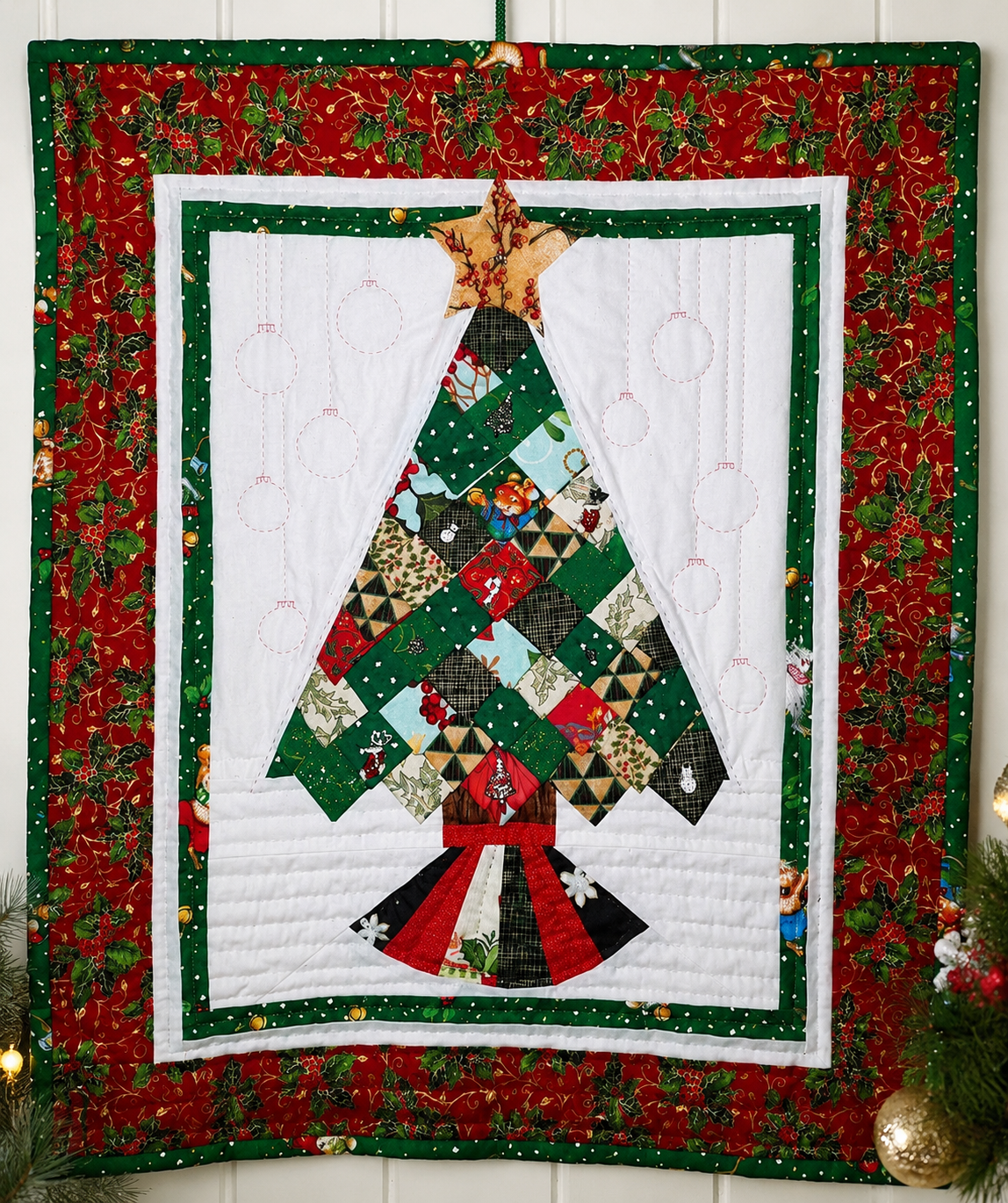
How to Make a Prairie Point Christmas Tree is a delightful and creative fabric pattern project that combines traditional quilting techniques with festive holiday charm. Whether you are an experienced quilter or a beginner looking for a seasonal craft, this project offers an enjoyable way to create beautiful decorations that can become treasured holiday keepsakes. The unique texture created by prairie points gives the Christmas tree a dimensional appearance, making it stand out from other fabric decorations.
The popularity of the How to Make a Prairie Point Christmas Tree project continues to grow among sewing and quilting enthusiasts because it allows crafters to use fabric scraps creatively while producing stunning results. The layered prairie points resemble tree branches, creating a rich and textured effect that captures the spirit of Christmas. This project is perfect for home décor, handmade gifts, table decorations, or even quilt embellishments.
One of the best aspects of this fabric pattern is its versatility. You can customize colors, sizes, and decorative elements to match your personal holiday style. Traditional green fabrics create a classic Christmas look, while modern prints, metallic fabrics, or even rustic country-themed materials can give the tree a unique personality. With basic sewing tools and a little patience, anyone can create a beautiful prairie point Christmas tree that adds warmth and charm to the holiday season.
Understanding the Prairie Point Technique
The prairie point technique is a traditional quilting method that involves folding fabric squares into triangles. These folded pieces are then layered together to create decorative borders, accents, and textured designs.
DISCOVER MORE FREE PATTERNS HERE!
In the How to Make a Prairie Point Christmas Tree project, prairie points serve as the branches of the tree. Their layered arrangement creates depth and visual interest that resembles natural evergreen foliage.
One reason this technique remains popular is its simplicity. Even beginners can learn the folding process quickly and achieve professional-looking results with practice.
Prairie points can be made from a wide variety of fabrics, including cotton, quilting fabric, holiday prints, and textured materials. This flexibility allows endless creative possibilities.
The dimensional appearance created by prairie points helps transform a simple fabric project into an eye-catching decorative piece. The layers catch light beautifully and create realistic texture.
Learning this technique can also open the door to many future quilting and sewing projects. Once mastered, prairie points can be incorporated into quilts, pillows, table runners, and seasonal decorations.
Materials Needed for the Project
Before starting your How to Make a Prairie Point Christmas Tree, gathering the necessary materials will make the process smoother and more enjoyable.
You will need fabric squares for creating the prairie points. Holiday-themed cotton fabrics are often the preferred choice because they fold easily and hold their shape well.
A background fabric is also important if you plan to mount the tree onto a wall hanging, quilt block, or decorative panel. Neutral colors often help the tree stand out.
Basic sewing tools such as scissors, rotary cutters, rulers, pins, and a sewing machine can help ensure accurate cuts and neat assembly.
Thread that coordinates with your fabric selection will provide a professional finish. Matching thread often creates a seamless appearance.
Additional embellishments such as buttons, beads, ribbons, sequins, or small fabric stars can be used to decorate the finished tree and make it even more festive.
Having an iron nearby is highly recommended. Pressing each fold helps maintain crisp prairie points and improves the overall appearance of the project.
Step-by-Step Guide to Making a Prairie Point Christmas Tree
Begin by cutting several fabric squares of equal size. The size of the squares will determine the scale of your finished Christmas tree.
Fold each square diagonally to create a triangle, then fold it again to form a smaller prairie point. Press each fold carefully with an iron to create sharp edges.
Arrange the prairie points on your chosen background fabric. Start at the bottom row using the largest number of points and gradually reduce the quantity as you move upward.
Layer each row slightly over the row beneath it. This overlapping arrangement creates the appearance of realistic tree branches and adds dimension.
Once satisfied with the layout, pin the prairie points securely in place. Stitch carefully across the top edge of each row to hold the pieces together.
Complete the design by adding a tree trunk made from brown fabric and a decorative star at the top. Additional embellishments can be sewn or glued into place according to your preferences.
Creative Ideas for Decorating Your Prairie Point Christmas Tree
A traditional green tree remains a timeless favorite. Combining several shades of green fabric can create depth and realism within the design.
For a modern appearance, consider using white, silver, gold, or metallic fabrics. These colors create a sophisticated holiday decoration that complements contemporary décor.
Scrap fabric trees are another excellent option. Using leftover quilting fabrics makes the project environmentally friendly and uniquely colorful.
Adding miniature buttons can simulate Christmas ornaments. Choose festive colors such as red, gold, silver, or blue for extra visual appeal.
Hand embroidery can add personalized details. Simple stitched snowflakes, names, dates, or holiday messages make the project even more meaningful.
Creating multiple trees in different sizes allows you to design coordinated holiday displays. Small trees can become ornaments, while larger versions can serve as wall hangings or table centerpieces.
FAQ About How to Make a Prairie Point Christmas Tree
What is a prairie point?
A prairie point is a folded fabric triangle commonly used in quilting and sewing projects to add decorative texture and dimension.
Is this project suitable for beginners?
Yes. The folding technique is simple to learn, making it a great project for beginners interested in quilting and fabric crafts.
What type of fabric works best?
Cotton quilting fabric is generally recommended because it folds neatly, presses well, and is easy to sew.
Can I make the tree without a sewing machine?
Absolutely. Hand stitching can be used successfully, although the process may take a little longer.
How large should the fabric squares be?
The square size depends on the desired tree size. Many crafters start with squares measuring 3 to 5 inches.
Can I use fabric scraps?
Yes. Fabric scraps are perfect for this project and help create unique, colorful designs while reducing waste.
How can I decorate the finished tree?
Popular decorations include buttons, beads, ribbons, sequins, embroidery, fabric stars, and miniature bows.
Can the prairie point tree be used as a gift?
Definitely. Handmade holiday decorations are thoughtful gifts that many people appreciate and treasure for years.
Conclusion
Creating a How to Make a Prairie Point Christmas Tree fabric pattern project is a wonderful way to celebrate creativity during the holiday season. By learning the prairie point technique, selecting beautiful fabrics, and arranging the folded pieces into a charming Christmas tree design, you can create a unique decoration that reflects your personal style. This project is suitable for both beginners and experienced crafters, making it an excellent addition to any holiday sewing collection.
Throughout this guide, we explored the prairie point technique, discussed essential materials, followed step-by-step instructions, and discovered creative decorating ideas to make each tree special. Whether you choose traditional holiday fabrics or experiment with modern designs, the finished project is sure to bring festive charm to your home. We would love to hear your sincere opinion about this project. Feel free to share your experience, suggestions, creative ideas, and any tips that helped you create your own How to Make a Prairie Point Christmas Tree. Your feedback and suggestions can inspire other crafters and make this holiday tradition even more enjoyable.