
Rag Quilt: A Step-by-Step Guide – Quilt Pattern is the perfect starting point for anyone who wants to create a cozy, handmade masterpiece without feeling overwhelmed. If you’ve ever admired the soft texture and charming frayed seams of a rag quilt, you already know how inviting and unique this quilting style can be. Unlike traditional quilts that hide seams inside, this technique proudly displays them, creating a rustic and heartwarming look that stands out in any room.
A quilt pattern designed for a rag quilt is ideal for beginners and experienced crafters alike. The process is straightforward, forgiving, and incredibly satisfying. Because the seams are exposed and intentionally clipped, small imperfections become part of the design, making every quilt feel personal and authentic. This approach removes much of the pressure that sometimes comes with precision quilting and replaces it with creativity and comfort.
In this comprehensive guide, you will learn everything you need to know about creating your own Rag Quilt: A Step-by-Step Guide – Quilt Pattern project. From understanding the materials and tools required to mastering the sewing and finishing techniques, each section is structured to help you build confidence and skill. By the end of this article, you will feel ready to start your own rag quilt with clarity and enthusiasm.
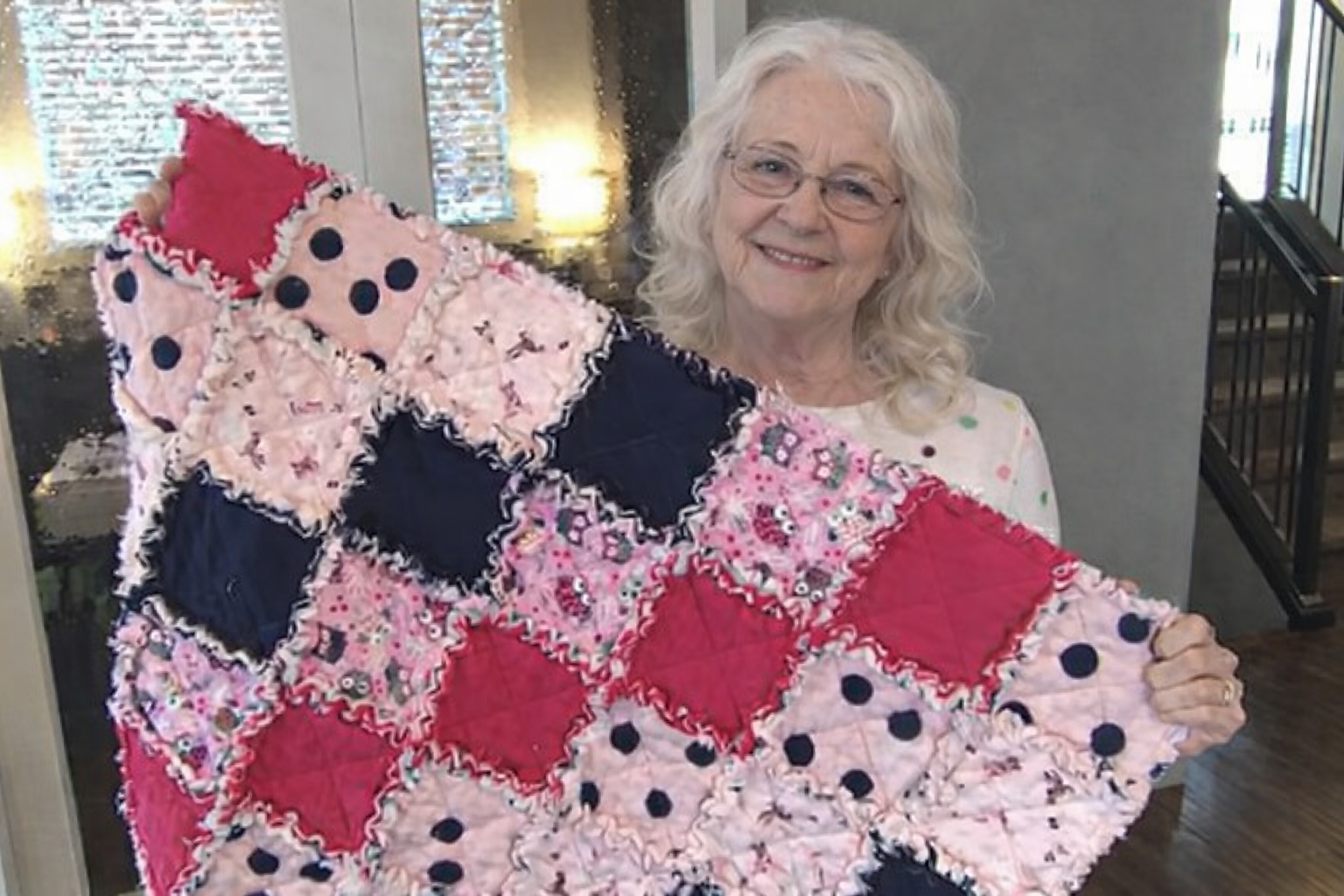
Understanding the Basics of a Rag Quilt Pattern
A rag quilt is a type of quilt where the seam allowances are sewn on the outside instead of hidden inside. This technique gives the quilt its signature fluffy, frayed look after washing. The beauty of this quilt pattern lies in its simplicity and texture, making it a favorite for baby blankets, throws, and even larger bed quilts.
Unlike traditional quilting methods, a Rag Quilt: A Step-by-Step Guide – Quilt Pattern focuses less on intricate piecing and more on layering squares of fabric with batting in between. Each block is usually assembled individually before being connected to others. This method makes the project more manageable and less intimidating for beginners.
Fabric selection plays an important role in the final look and feel of your rag quilt. Cotton flannel is especially popular because it frays beautifully and becomes softer with each wash. However, quilting cotton, denim, and even fleece can be used depending on the desired texture and weight of your quilt.
Batting choice also matters. Low-loft cotton batting is commonly used, but some crafters skip batting altogether when using thick fabrics like flannel. The key is consistency, ensuring each square in your quilt pattern has the same layers for an even finish.
The size of your quilt will determine how many blocks you need. A baby rag quilt may use 6-inch or 8-inch squares arranged in a simple grid, while a larger throw might require more blocks. Planning your layout in advance helps maintain balance and visual harmony.
One of the most appealing aspects of a rag quilt is that it is forgiving. Slight misalignments or uneven clipping become part of the charm. This makes the Rag Quilt: A Step-by-Step Guide – Quilt Pattern an excellent introduction to sewing and quilting techniques without unnecessary stress.
Materials and Preparation for Your Rag Quilt Project
Before starting your rag quilt, gathering the right materials ensures a smoother experience. Essential tools include a sewing machine, sharp fabric scissors, a rotary cutter, a cutting mat, pins or clips, and coordinating thread. Having everything prepared in advance allows you to focus on creativity rather than interruptions.
Fabric preparation is a crucial step in any quilt pattern. Washing and drying your fabric before cutting prevents unwanted shrinkage later. Pre-washing also softens the material and removes any finishing chemicals, making the quilt safer and more comfortable for everyday use.
Cutting your fabric into uniform squares is the foundation of a successful Rag Quilt: A Step-by-Step Guide – Quilt Pattern project. Accuracy matters here, as consistent square sizes help your quilt assemble neatly. Using a ruler and rotary cutter can significantly improve precision.
Each quilt block typically consists of two fabric squares with a piece of batting sandwiched in between. The wrong sides of the fabric face each other, which is different from traditional quilting. This layering technique is what allows the seams to be exposed and frayed later.
Before joining the blocks together, it is recommended to sew an “X” or simple cross through each layered square. This step secures the batting and prevents shifting during washing. It also adds a subtle decorative element to your finished rag quilt.
Planning your layout on a flat surface before sewing rows together helps visualize the final design. Rearranging squares at this stage is much easier than after stitching. A thoughtful layout enhances the overall aesthetic of your quilt pattern and ensures a balanced look.
Step-by-Step Instructions to Create a Rag Quilt
Now that your materials are ready, it’s time to begin your Rag Quilt: A Step-by-Step Guide – Quilt Pattern journey. Start by placing two layered blocks together with the wrong sides touching and the right sides facing outward. This orientation is essential for achieving the signature exposed seams.
Sew the blocks together using a consistent seam allowance, typically about half an inch to one inch. A wider seam allowance creates a fuller fringe once clipped and washed. Continue joining blocks into rows, maintaining even spacing and alignment throughout the process.
After completing individual rows, sew the rows together in the same manner. The seams should all be facing outward. Take your time to match intersections as closely as possible. While rag quilts are forgiving, neat intersections still enhance the finished appearance.
Once the entire quilt top is assembled, sew around the outer edges using the same seam allowance. This border seam will also be clipped and frayed, contributing to the cohesive texture of your rag quilt.
The next step is clipping the seam allowances. Using sharp scissors, make small cuts perpendicular to the seam, spacing them about a quarter inch apart. Be careful not to cut through the stitching. This step is crucial in the Rag Quilt: A Step-by-Step Guide – Quilt Pattern process because it creates the soft fringe effect after washing.
Finally, wash and dry your quilt. The agitation in the washing machine helps the clipped seams fray beautifully. After drying, you may notice loose threads, which can be trimmed carefully. With each wash, the texture becomes softer and more defined, enhancing the charm of your finished quilt.
Tips for Customizing and Caring for Your Rag Quilt
Customization is one of the most enjoyable parts of following a Rag Quilt: A Step-by-Step Guide – Quilt Pattern. You can experiment with different fabric combinations, color palettes, and even printed themes. Seasonal fabrics, nursery patterns, or neutral tones can transform the quilt’s personality.
Varying the size of your squares also changes the visual impact. Larger squares create a bold, modern look, while smaller ones give a more intricate feel. Adjusting square dimensions allows you to tailor the quilt pattern to your specific project goals.
Adding embroidered details or appliqué elements before assembling the blocks can elevate your design. Just ensure any decorative stitching is secure enough to withstand washing. Personal touches make your rag quilt a meaningful handmade item or heartfelt gift.
Caring for your rag quilt is simple. Machine washing in cold or warm water and tumble drying on low heat helps maintain softness. Because the seams are designed to fray, some lint is normal, especially during the first few washes.
Regular maintenance includes trimming excessively long threads after washing. This keeps your quilt looking tidy without compromising its rustic charm. Proper care ensures your rag quilt remains durable and beautiful for years.
Storing your quilt in a dry, well-ventilated space protects it from moisture and odors. Avoid plastic containers that trap humidity. With thoughtful care, your Rag Quilt: A Step-by-Step Guide – Quilt Pattern creation can become a cherished heirloom passed down through generations.
FAQ About Rag Quilt: A Step-by-Step Guide – Quilt Pattern
What makes a rag quilt different from a traditional quilt?
A rag quilt features exposed seam allowances that are clipped and frayed, creating a textured, fluffy look. Traditional quilts hide the seams inside and often require more intricate piecing and quilting techniques.
Is a rag quilt suitable for beginners?
Yes, the Rag Quilt: A Step-by-Step Guide – Quilt Pattern is highly beginner-friendly. The forgiving nature of exposed seams and simple square construction makes it an excellent first quilting project.
What type of fabric works best for a rag quilt?
Cotton flannel is a popular choice because it frays beautifully and becomes softer over time. Quilting cotton and denim are also suitable, depending on the desired texture and weight.
How wide should the seam allowance be?
Most rag quilts use a seam allowance between half an inch and one inch. A wider seam creates a fuller fringe effect after clipping and washing.
Do I need batting for every rag quilt?
Not necessarily. Batting adds warmth and structure, but some thicker fabrics like flannel can be layered without additional batting for a lighter quilt.
How do I reduce lint during the first wash?
Washing the quilt separately during the first cycle helps manage lint. Cleaning the washing machine filter afterward is also recommended to maintain efficiency.
Can I make a rag quilt without a sewing machine?
While it is possible to sew by hand, using a sewing machine significantly speeds up the process and provides stronger seams for durability.
Conclusion
In this comprehensive guide on Rag Quilt: A Step-by-Step Guide – Quilt Pattern, you learned the fundamentals of what makes a rag quilt unique, how to choose materials, and how to assemble and finish your project with confidence. From understanding exposed seams to mastering clipping techniques and proper care, each step was designed to help you create a beautiful and cozy handmade quilt.
Whether you are a beginner exploring your first quilt pattern or an experienced crafter looking for a relaxing project, a rag quilt offers creativity, comfort, and lasting value. If you found this guide helpful, feel free to share your honest opinion and suggestions. Your feedback helps improve future content and inspires more creative quilting journeys.